Pulau Ketam: A Day on Klang's Floating Village
An hour from Kuala Lumpur, past the container cranes and shipping lanes of Port Klang, there's an island with no cars. No traffic lights, no roads out to the mainland — just wooden houses balanced on stilts above the water, narrow walkways threading between them, and the steady rhythm of a fishing village that has kept its own pace for well over a century. This is Pulau Ketam, and it's one of the most quietly rewarding day trips in the country.
The short version of a long history
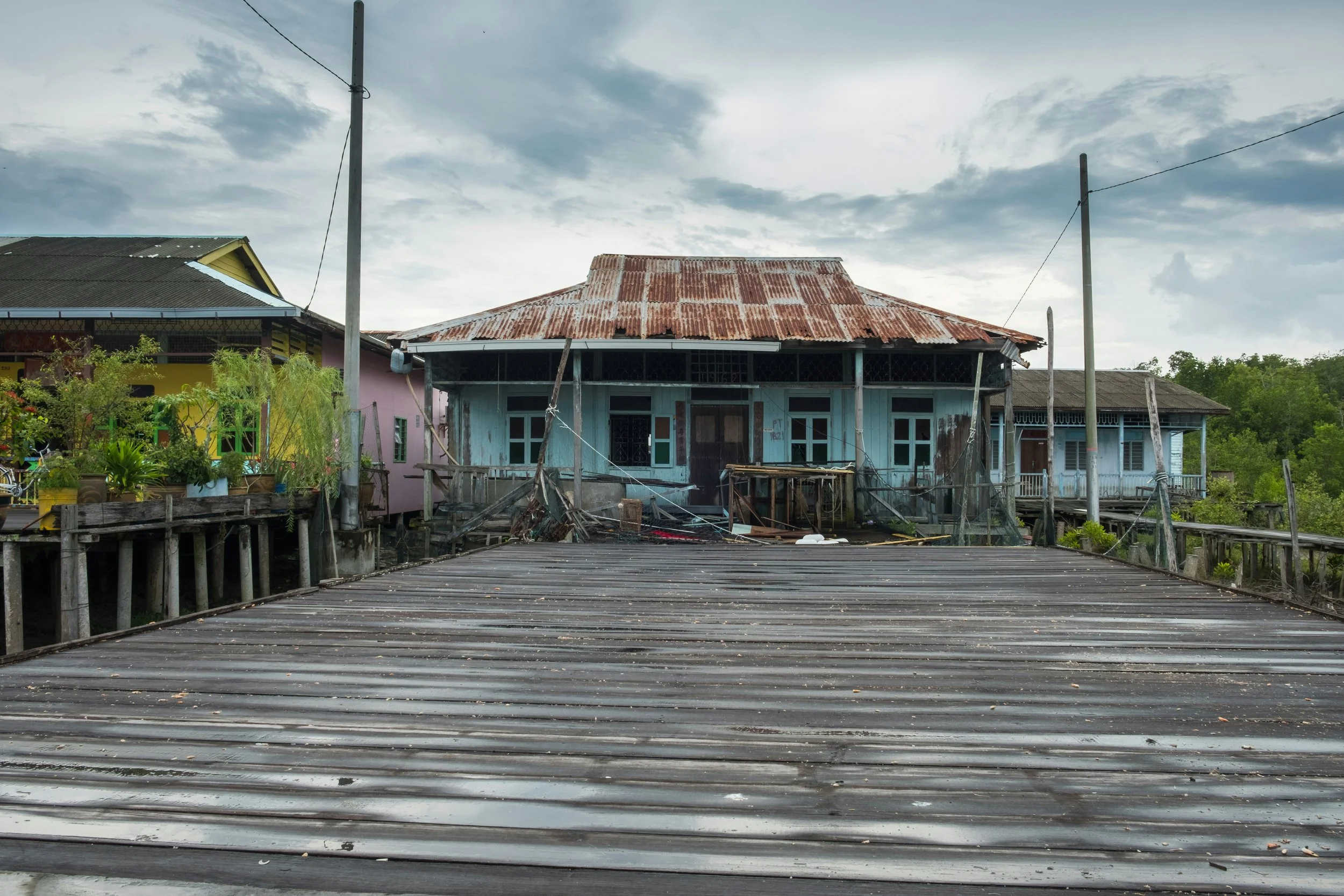
Pulau Ketam — "Crab Island" — was settled in the 1880s by Teochew and Hokkien Chinese immigrants who built their homes on the mudflats among the mangroves. What began as a small fishing settlement grew into a village of around a thousand homes, and the Teochew and Hokkien heritage is still alive in daily life: in the dialect you'll hear in the kopitiams, in the temples, in the food. Because there are no roads linking the island to the mainland, villagers have always relied on boats to bring in supplies. It's a way of life that hasn't so much resisted modernity as simply carried on beside it.
Getting there
The journey is half the charm, and it's genuinely easy. From KL Sentral, take the KTM Port Klang line to the very last stop — it's around RM6.40 and takes roughly an hour and a half. From Port Klang's terminal, ferries and speedboats run across to the island; expect to pay around RM12 one-way or RM18–20 return, depending on the operator. The crossing takes about 45 minutes on a slower ferry, less by speedboat.
A few practical notes worth knowing before you go: boats run more frequently on weekends than weekdays, and crucially, there are no boats back after around 5:30pm — so this is strictly a daylight trip. Go in the morning, both to catch the earlier boats and to beat the midday heat. If you're driving, you can park near the terminal rather than taking the train.
What to do once you're there
The island is small, and that's the point. You're not here to tick off attractions — you're here to slow down.
Wander the walkways. The elevated wooden paths wind between the stilt houses, and at high tide the whole village looks like it's floating. Everyday life unfolds around you as you walk: laundry drying in the sun, fishermen mending nets, children playing along the boards. Take your time and let it reveal itself.
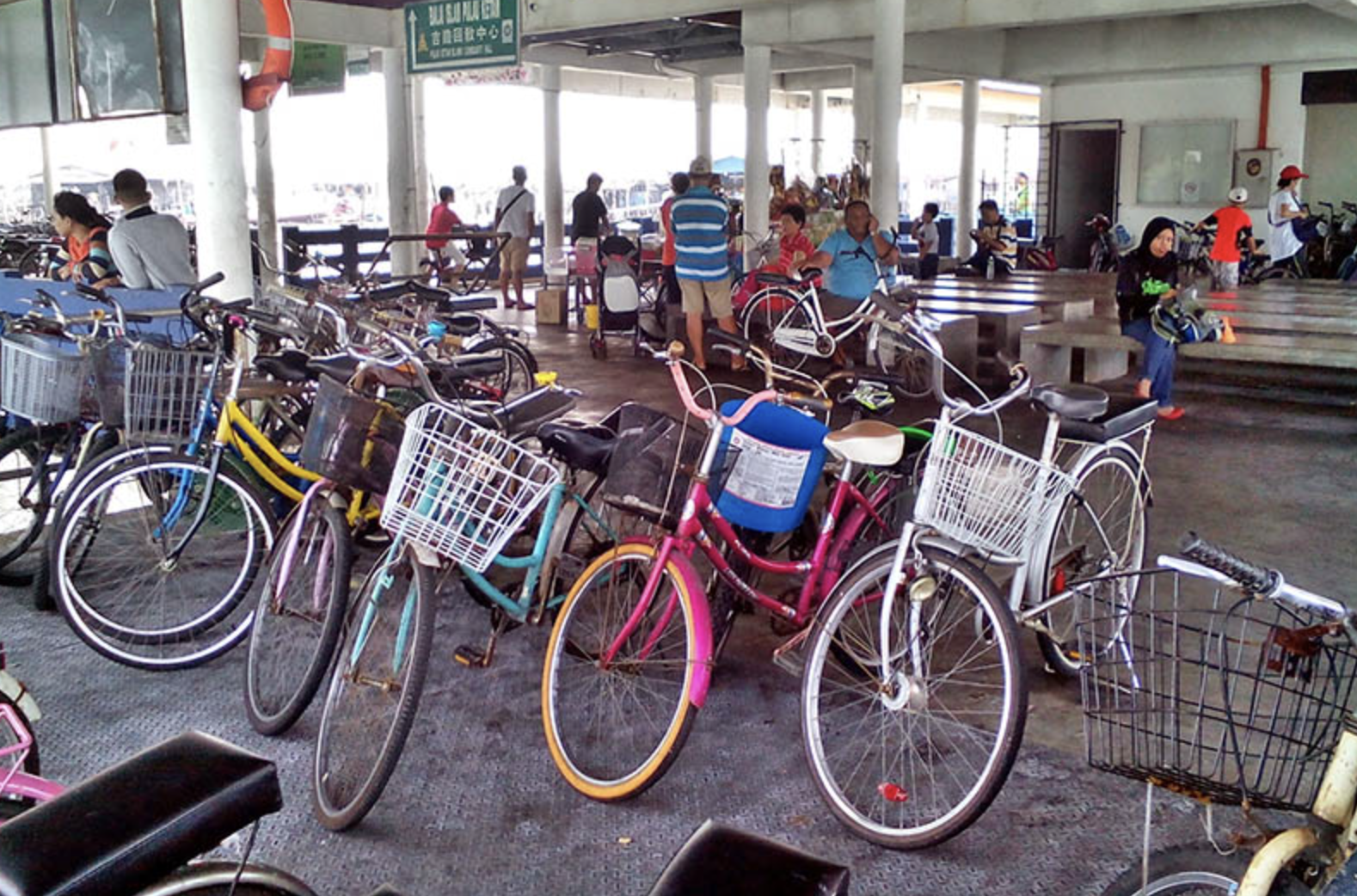
Rent a bicycle. With no cars, cycling is the natural way to get around — safe, quiet, and the best way to reach the further corners of the village. You'll pass local homes, small shops and temple fronts, soaking up the atmosphere as you go.
Take a boat out. Some visitors arrange a boat ride out toward the fish farms and the mangroves — a different view of the island from the water, and a reminder of how completely it's shaped by the sea around it.
Visit the temples. The village's Chinese temples are woven into daily life and worth a respectful visit, part of the living heritage that gives Pulau Ketam its character.
What to eat (the real reason many people come)
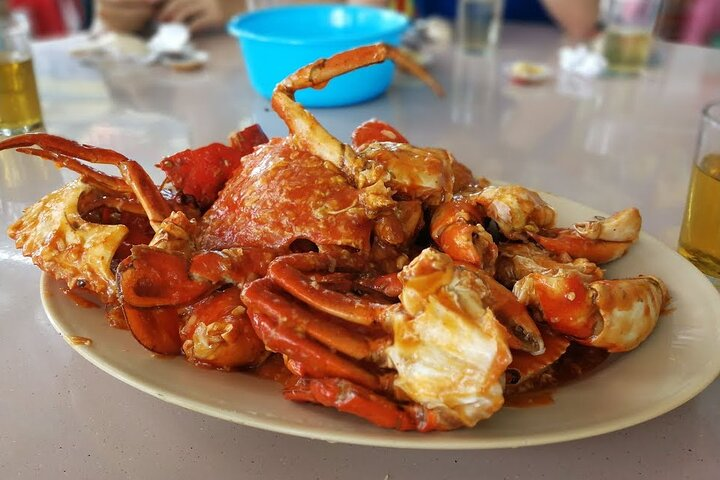
Let's be honest — a lot of visitors make the trip for the seafood, and it delivers. The restaurants here serve fish and shellfish often caught the same day, and the crab, unsurprisingly, is the star. Prices are reasonable and the freshness is hard to match anywhere inland.
Beyond the seafood restaurants, seek out the small kopitiams for simple, comforting local meals and a glimpse of village life over breakfast. And save room for one particular oddity the island is quietly famous for: fried ice cream, sold by local vendors in flavours like chocolate, vanilla and yam. On a hot afternoon, it's exactly right.
Making a day of it
Pulau Ketam works because it asks so little of you. There's no itinerary to optimise, no queues, no rush — just a village to wander, a bicycle to ride, and a long seafood lunch to linger over before the afternoon boat back. It's the kind of place that reminds you good travel isn't always about doing more; sometimes it's about finding somewhere that lets you do less, well.
If you're building a day around it, the rhythm almost sets itself: morning train to Port Klang, mid-morning ferry across, a few unhurried hours of walking and cycling, a seafood lunch, fried ice cream in the heat, and the boat home before the light goes.
Find the corners guidebooks miss
Places like Pulau Ketam are exactly the kind of discovery that doesn't show up when you search the same lists everyone else does. The best moments — the right kopitiam, the quiet temple, the seafood spot the locals actually favour — come from knowing where to look.
That's what Suna is built for. It learns the kinds of places you love and surfaces the ones nearby worth your time, then taps you on the shoulder when you're close to something special — whether you're wandering a stilt village off Klang or exploring your own neighbourhood back in the city. Some of the best places in Malaysia are the ones you'd never think to search for. Suna helps you find them.