


Things to Do in Kuala Lumpur This Weekend | KL Weekend Guide
Summer 2k26 by DEL'CS
Kuala Lumpur never really slows down. Between pop-up markets, creative workshops, food events and neighbourhoods worth wandering, the hardest part of any weekend here isn't finding something to do — it's choosing. Here's your guide to making the most of it, whether you're a visitor with a free afternoon or a local looking to rediscover your own city.
Events happening in KL this weekend
The city's markets and creative scene are especially busy right now. A few worth building a day around:
Summer 2k26 by DEL'CS brings together more than 100 vendors at JAMPJ across Saturday and Sunday — Y2K thrift, handmade accessories, tooth gems, tattoos, food stalls and live DJ sets. The market runs from 11am to 10pm on both 18 and 19 July. If you like your weekends loud, social and full of things to bring home, start here.
Pasar Seloka's Weekend Picnic at The Campus Ampang is the more relaxed counterpart — over 60 local brands and vendors, plus creative workshops and book swaps, running from 10am to 10pm across the weekend.
For something hands-on, Poly Pocket at The Pocket runs creative workshops through Saturday — matcha making, beginner-friendly cake decorating, trinket dish painting, calligraphy and beaded necklace sessions. Bookings go quickly, so reserve a slot in advance.
Film fans should head to the MIFFest Marketplace at MyTown Shopping Centre, held alongside the Malaysia International Film Festival — a marketplace, performances, games and the festival's opening ceremony, running 10am to 10pm.
Events change and some require pre-booking — always check each event's Instagram to confirm dates and availability before heading out.
What to wear
KL in July means warm, humid days with a real chance of an afternoon downpour. Dress light and breathable — linen, cotton, loose fits. If you're heading to an outdoor market like Summer 2k26 or Pasar Seloka, comfortable shoes matter more than anything; you'll be on your feet for hours. Bring a small umbrella or packable rain layer, and if your evening involves a rooftop bar or a mall, a light layer helps with the aggressive air-conditioning indoors. For the market crowd, the unofficial dress code leans Y2K and thrifted right now — worth leaning into if that's your thing.
Neighbourhoods worth exploring
If you'd rather wander than plan, KL rewards it. A few areas that reward an unstructured afternoon:
Bangsar — coffee culture, independent boutiques and some of the city's best casual dining, all walkable.
Bukit Bintang — the busy heart of the city, best explored on foot, with hidden side streets full of retro signage and small finds behind the main strip.
TTDI — quieter and more local, known for its morning market and a growing cluster of cafés and neighbourhood restaurants.
REXKL and the Chinatown area — heritage buildings turned into creative spaces, bookshops and concept stores, with plenty of character in every direction.
Something trendy to try
This weekend's most on-trend activity is the film photography walk — Zontiga's Kodak Charmera Photowalk takes a small group through Bukit Bintang with a point-and-shoot in hand, hunting reflections, colours and retro signage, with a 2000s theme and Y2K dress code. Even if you miss this specific edition, the format itself is having a moment in KL: grab a disposable or point-and-shoot film camera, pick a photogenic neighbourhood like Bukit Bintang or Chinatown, and spend a morning shooting. It's a low-effort, high-reward way to see the city more slowly — and the results always look better than your phone.
Find your own hidden gems
The events above are the loud, easy-to-find highlights. But the best weekends in KL usually come from the smaller discoveries — the café down a side street, the shop you'd never have searched for, the spot that just happens to match your taste.
That's exactly what Suna is built for. It learns the kinds of places you love, then surfaces the ones nearby worth your time — and taps you on the shoulder when you're near somewhere special, so you discover it without even searching. Whether you're new to KL or you've lived here for years, it's the easiest way to turn a free afternoon into something worth remembering.
What to Pack and Travel Hacks That Actually Make a Difference
A practical guide to what to pack for any trip, plus travel hacks that save space, time and stress — from packing cubes to arrival-day tips.
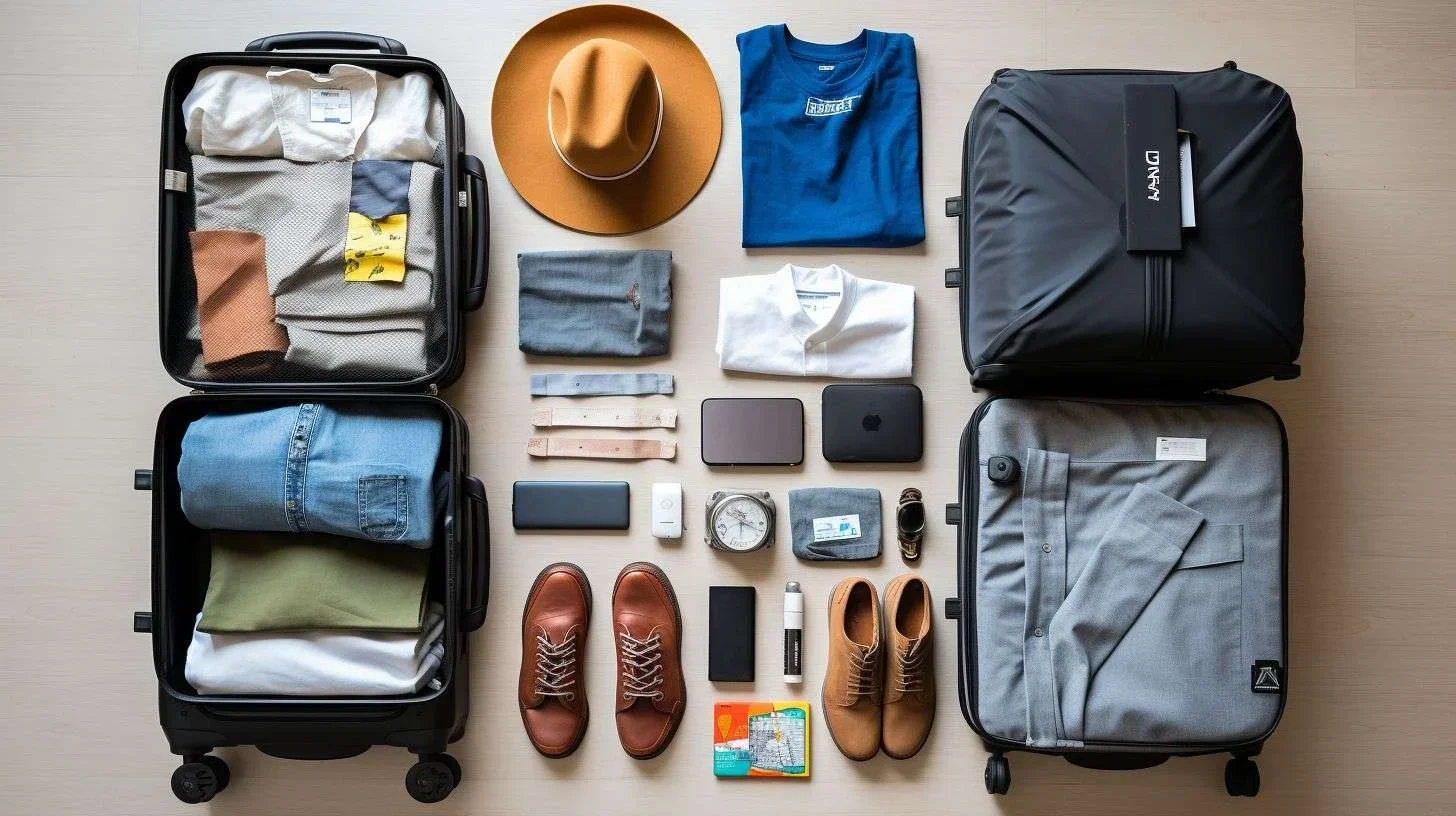
Packing well is a skill, and like any skill it comes down to a few principles you can reuse on every trip. Pack too much and you're dragging dead weight through airports; pack too little and you're buying a forgotten charger at three times the price. This guide covers what to pack for almost any trip, plus the travel hacks seasoned travellers swear by — the ones that quietly make everything smoother.
Start with the rule that changes everything
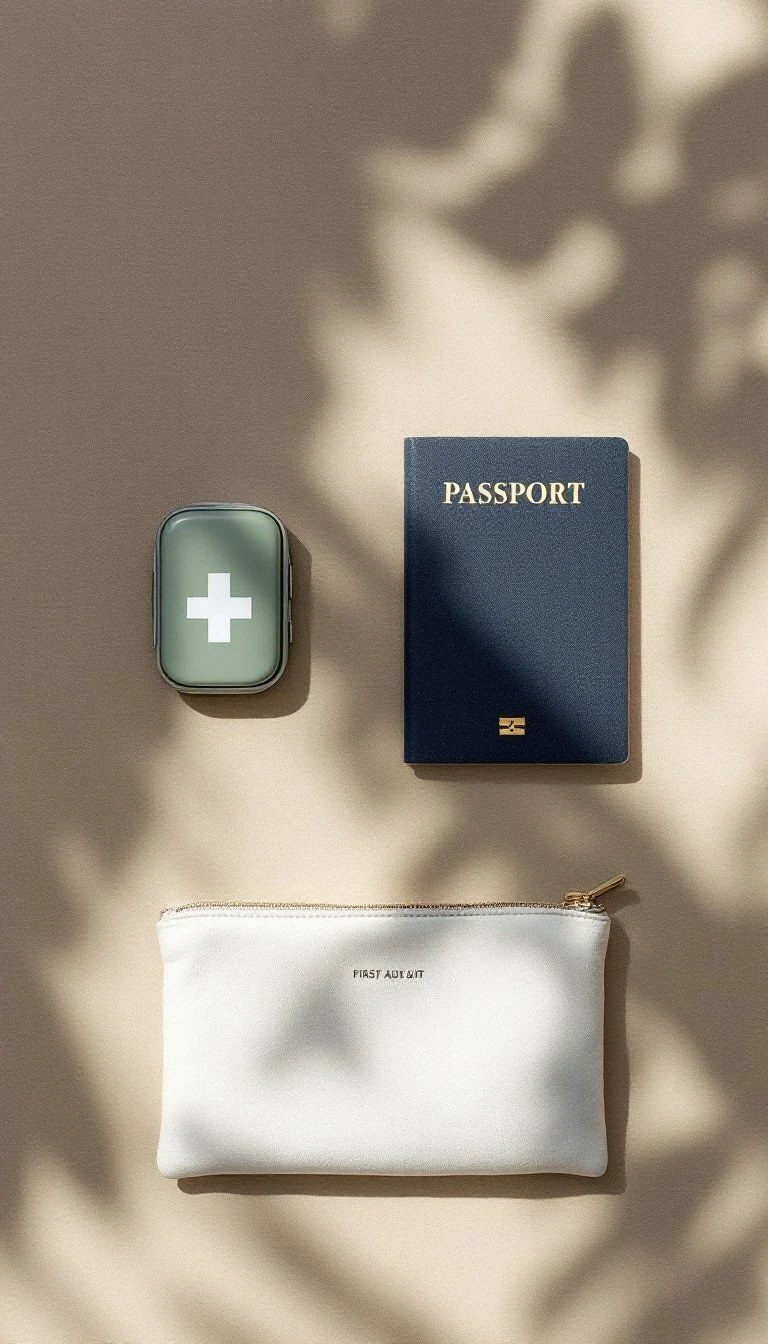
Lay out everything you think you need. Then put half of it back. Almost everyone overpacks, and almost no one gets to the end of a trip wishing they'd brought more. The goal isn't to pack for every possible scenario — it's to pack for the trip you're actually taking. Check the forecast for your dates, think through your real plans day by day, and pack to those, not to your anxieties.
The essentials checklist
Regardless of destination, these are the things worth a deliberate check before you zip up:
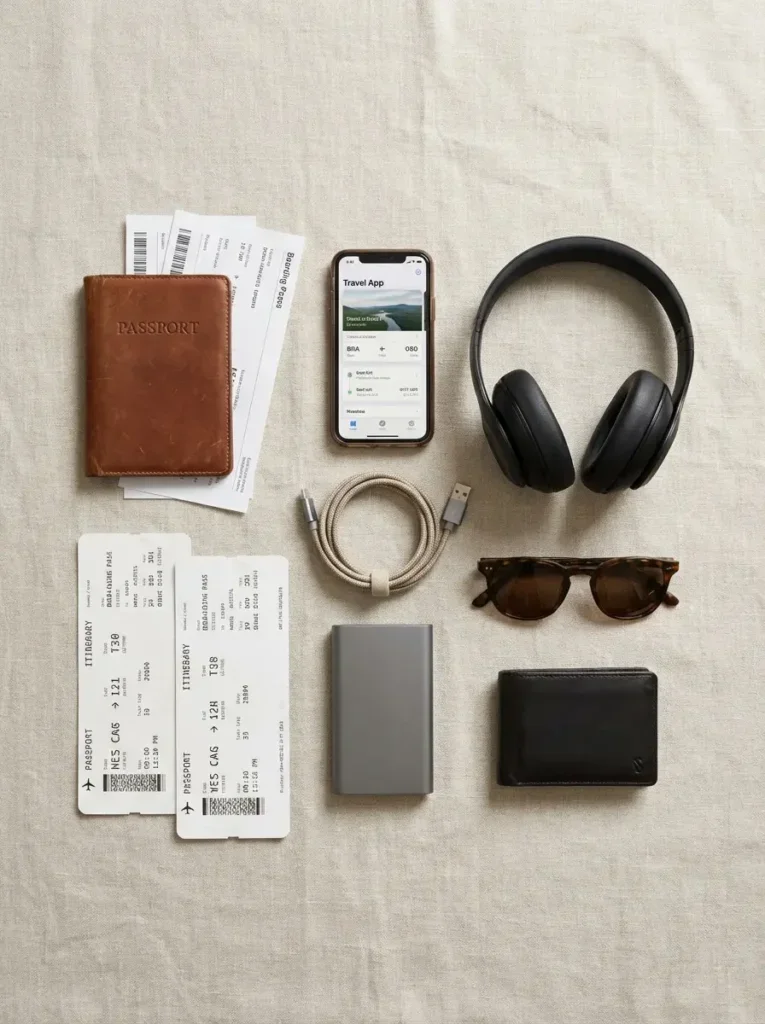
Documents and money — passport, ID, boarding passes, travel insurance details, a couple of payment cards kept in separate places, and a little local cash for arrival.
Tech — phone, charger, a power bank, a universal adapter, and headphones. A power bank is the single most useful thing in your bag on a long travel day.
Health and toiletries — any prescription medication in your carry-on (never checked), a basic first-aid handful of painkillers and plasters, sunscreen, and travel-sized toiletries to save space.
Clothing — versatile layers that mix and match, one dressier option, comfortable walking shoes you've already broken in, and a light rain layer. Choose a colour palette that works together so every top goes with every bottom.
The just-in-case small stuff — a reusable water bottle, a foldable tote for day trips or unexpected shopping, and a pen for landing cards.
Packing hacks that save real space
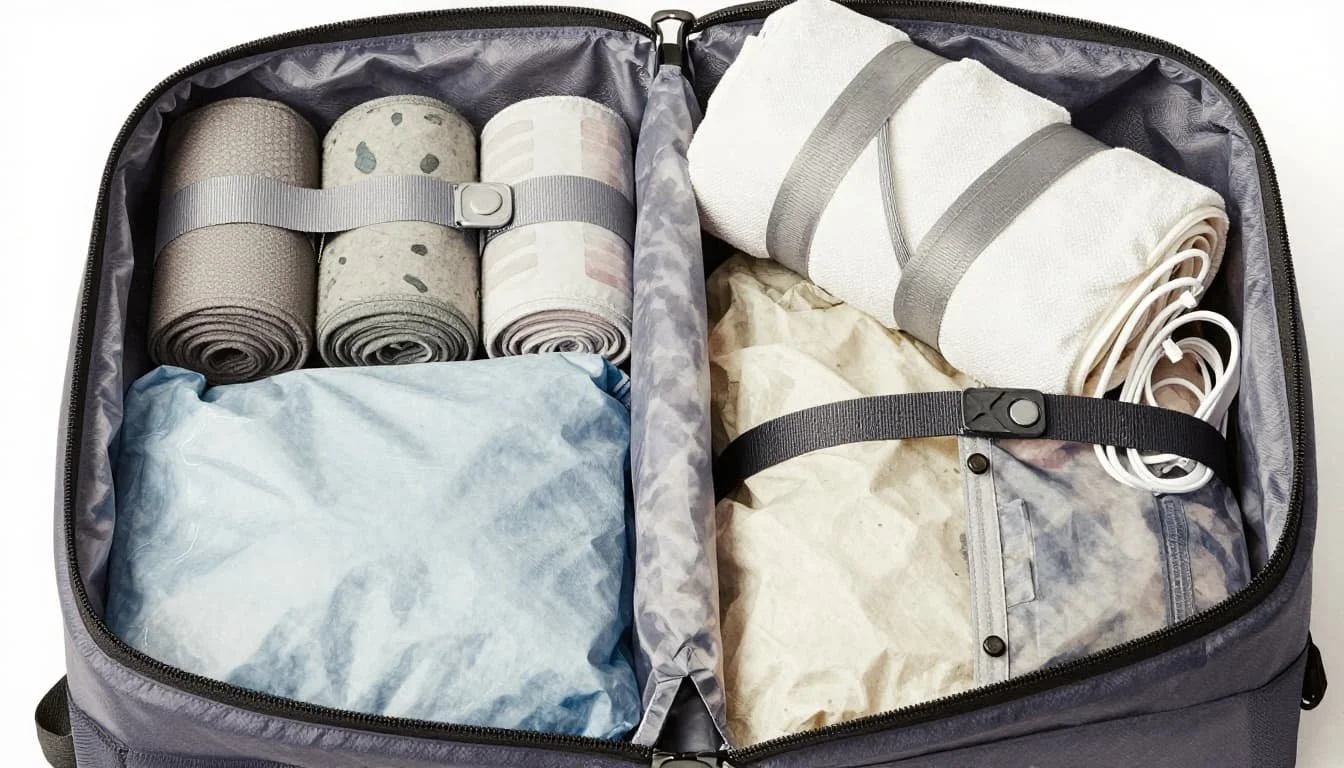
Roll, don't fold. Rolling clothes takes less space and creates fewer creases. It's the oldest trick because it works.
Use packing cubes. They turn a chaotic suitcase into organised compartments, and they make living out of a bag far less frustrating. One cube for tops, one for bottoms, one for underwear and socks — you'll never dig through everything again.
Wear your bulkiest items on the plane. Boots and a jacket take up enormous suitcase space, so wear them while travelling and save the room.
Stuff socks inside shoes. Empty shoe space is wasted space. Fill it with socks, chargers, or anything small.
Decant toiletries into small bottles. Full-sized bottles are heavy, leak-prone, and often over the liquid limit. Travel-sized containers solve all three.
Travel hacks beyond the suitcase
Packing is only half of it. These small habits save time and stress once you're actually on the move:
Photograph your documents. Keep photos of your passport, IDs and bookings on your phone and in your email. If anything gets lost, you'll be grateful.
Download everything offline before you go. Maps, boarding passes, playlists, and any discovery or navigation apps you'll rely on. Airport and arrival-day connectivity is unreliable, and offline access saves you when you need it most.
Keep a "personal item" bag well-stocked. Everything you'd hate to lose or need mid-flight — documents, tech, medication, a change of essentials — goes here, not in checked luggage.
Screenshot your accommodation address in the local language. Handing a taxi driver the address on your phone removes all the guesswork on arrival.
Learn the arrival-day basics. How to get from the airport to your accommodation, roughly what it should cost, and one or two places to eat near where you're staying. Sorting this before you land turns a stressful arrival into an easy one.
Make arrival day the easy part
Even perfectly packed, the first few hours in a new place are where trips wobble — you're tired, unsure where to go, and everything looks the same. That's where a little help goes a long way.
Suna is built for exactly those in-between moments. It learns the kinds of places you love and surfaces the ones nearby worth your time — the good coffee near your hotel, the local spot you'd never have found on a map — and taps you on the shoulder when you're close to somewhere special. You've done the packing. Let Suna handle the "what now."
Pulau Ketam: A Day on Klang's Floating Village
How to spend a day on Pulau Ketam, the car-free stilt village off Klang. Ferry details, what to eat, what to do, and how to make the most of a day trip from KL.
An hour from Kuala Lumpur, past the container cranes and shipping lanes of Port Klang, there's an island with no cars. No traffic lights, no roads out to the mainland — just wooden houses balanced on stilts above the water, narrow walkways threading between them, and the steady rhythm of a fishing village that has kept its own pace for well over a century. This is Pulau Ketam, and it's one of the most quietly rewarding day trips in the country.
The short version of a long history
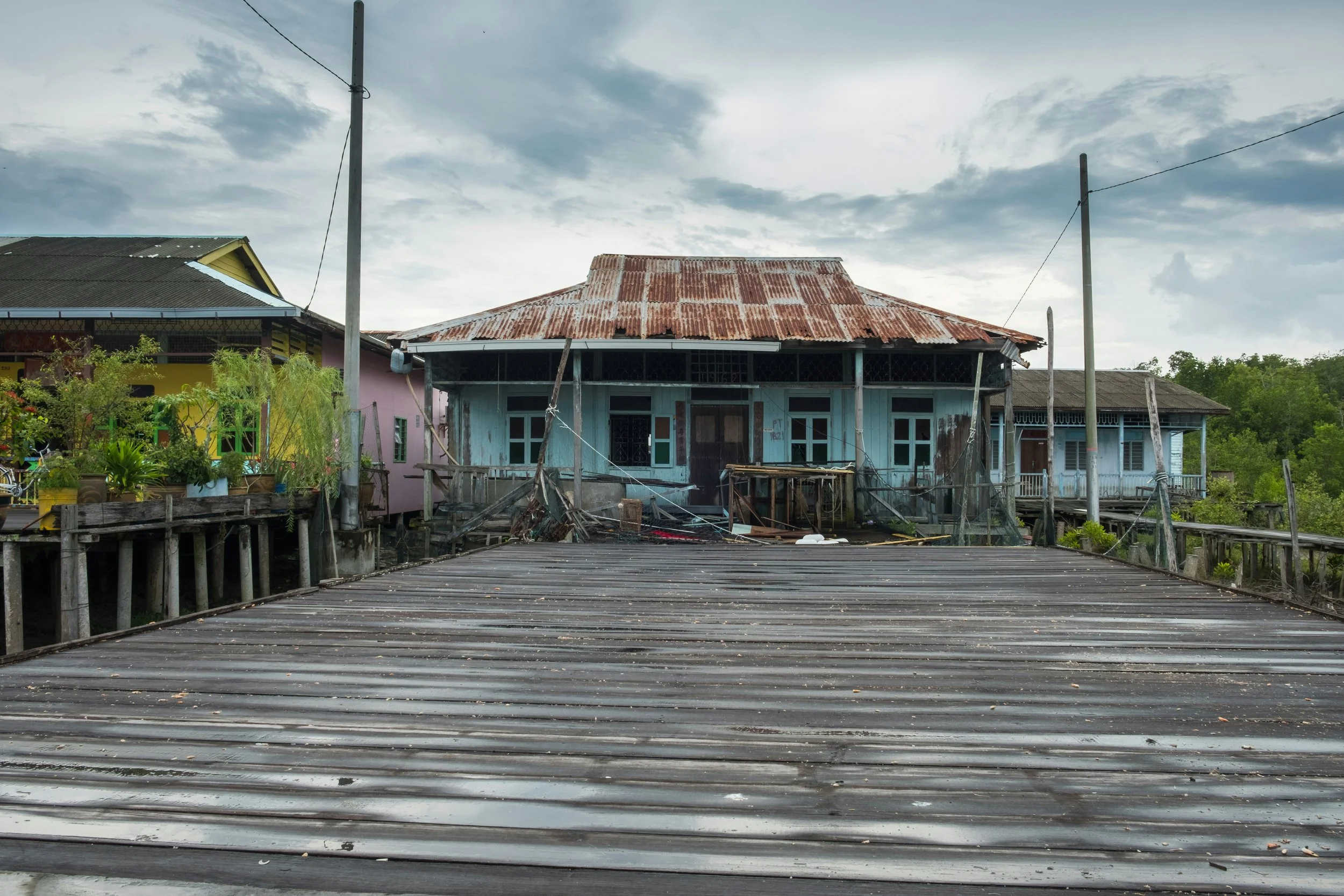
Pulau Ketam — "Crab Island" — was settled in the 1880s by Teochew and Hokkien Chinese immigrants who built their homes on the mudflats among the mangroves. What began as a small fishing settlement grew into a village of around a thousand homes, and the Teochew and Hokkien heritage is still alive in daily life: in the dialect you'll hear in the kopitiams, in the temples, in the food. Because there are no roads linking the island to the mainland, villagers have always relied on boats to bring in supplies. It's a way of life that hasn't so much resisted modernity as simply carried on beside it.
Getting there
The journey is half the charm, and it's genuinely easy. From KL Sentral, take the KTM Port Klang line to the very last stop — it's around RM6.40 and takes roughly an hour and a half. From Port Klang's terminal, ferries and speedboats run across to the island; expect to pay around RM12 one-way or RM18–20 return, depending on the operator. The crossing takes about 45 minutes on a slower ferry, less by speedboat.
A few practical notes worth knowing before you go: boats run more frequently on weekends than weekdays, and crucially, there are no boats back after around 5:30pm — so this is strictly a daylight trip. Go in the morning, both to catch the earlier boats and to beat the midday heat. If you're driving, you can park near the terminal rather than taking the train.
What to do once you're there
The island is small, and that's the point. You're not here to tick off attractions — you're here to slow down.
Wander the walkways. The elevated wooden paths wind between the stilt houses, and at high tide the whole village looks like it's floating. Everyday life unfolds around you as you walk: laundry drying in the sun, fishermen mending nets, children playing along the boards. Take your time and let it reveal itself.
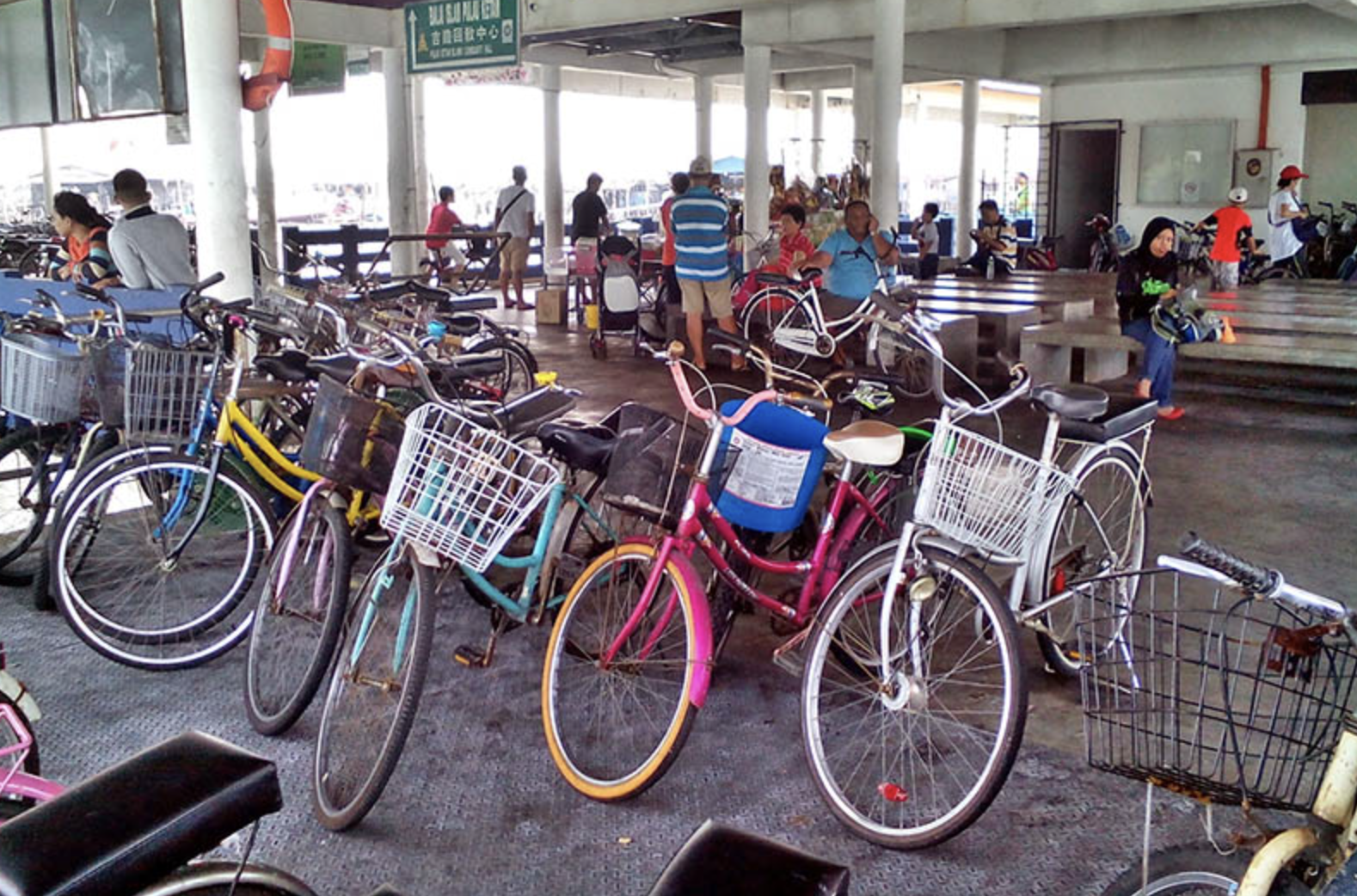
Rent a bicycle. With no cars, cycling is the natural way to get around — safe, quiet, and the best way to reach the further corners of the village. You'll pass local homes, small shops and temple fronts, soaking up the atmosphere as you go.
Take a boat out. Some visitors arrange a boat ride out toward the fish farms and the mangroves — a different view of the island from the water, and a reminder of how completely it's shaped by the sea around it.
Visit the temples. The village's Chinese temples are woven into daily life and worth a respectful visit, part of the living heritage that gives Pulau Ketam its character.
What to eat (the real reason many people come)
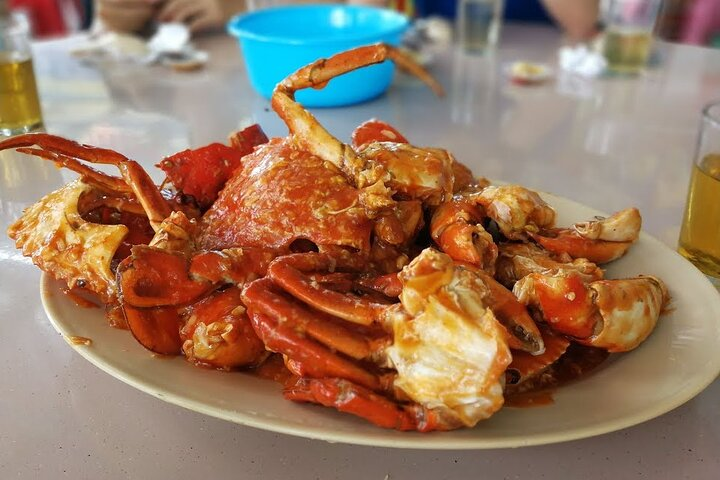
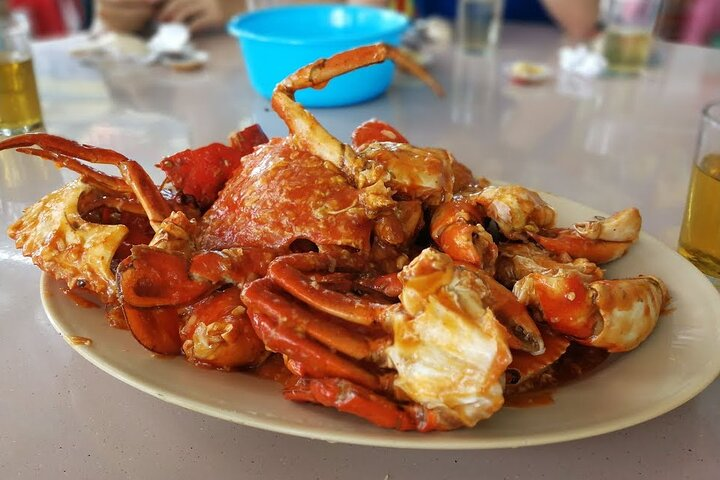
Let's be honest — a lot of visitors make the trip for the seafood, and it delivers. The restaurants here serve fish and shellfish often caught the same day, and the crab, unsurprisingly, is the star. Prices are reasonable and the freshness is hard to match anywhere inland.
Beyond the seafood restaurants, seek out the small kopitiams for simple, comforting local meals and a glimpse of village life over breakfast. And save room for one particular oddity the island is quietly famous for: fried ice cream, sold by local vendors in flavours like chocolate, vanilla and yam. On a hot afternoon, it's exactly right.
Making a day of it
Pulau Ketam works because it asks so little of you. There's no itinerary to optimise, no queues, no rush — just a village to wander, a bicycle to ride, and a long seafood lunch to linger over before the afternoon boat back. It's the kind of place that reminds you good travel isn't always about doing more; sometimes it's about finding somewhere that lets you do less, well.
If you're building a day around it, the rhythm almost sets itself: morning train to Port Klang, mid-morning ferry across, a few unhurried hours of walking and cycling, a seafood lunch, fried ice cream in the heat, and the boat home before the light goes.
Find the corners guidebooks miss
Places like Pulau Ketam are exactly the kind of discovery that doesn't show up when you search the same lists everyone else does. The best moments — the right kopitiam, the quiet temple, the seafood spot the locals actually favour — come from knowing where to look.
That's what Suna is built for. It learns the kinds of places you love and surfaces the ones nearby worth your time, then taps you on the shoulder when you're close to something special — whether you're wandering a stilt village off Klang or exploring your own neighbourhood back in the city. Some of the best places in Malaysia are the ones you'd never think to search for. Suna helps you find them.

Temangan: Finding Old Malaysia in a Quiet Kelantan Kampung
A journey to Temangan, a small durian-farming kampung in Kelantan — old-town calm, traditional food, and the unhurried warmth of rural Malaysia.
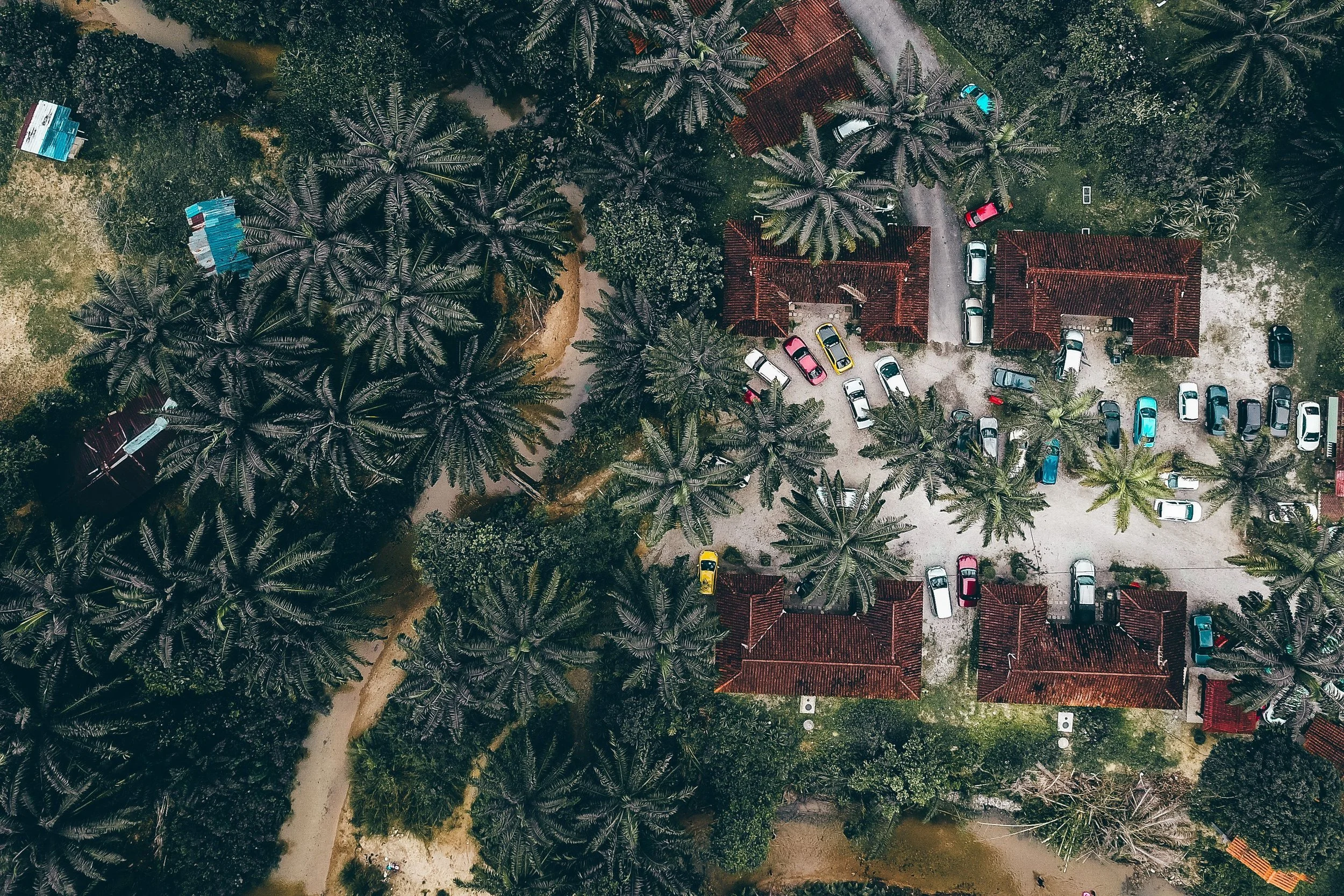
Some places aren't on the way to anywhere. You don't pass through Temangan; you have to mean to go. Tucked into the Machang district in the middle of Kelantan, it's a small farming village of a few hundred people — the kind of place that doesn't announce itself, doesn't have a list of attractions, and is all the more worth knowing for it. If you're looking for the loud, polished version of Malaysia, this isn't it. If you're looking for the old one — slower, warmer, quietly holding onto its own rhythm — Temangan is a doorway into it.
A village shaped by the land
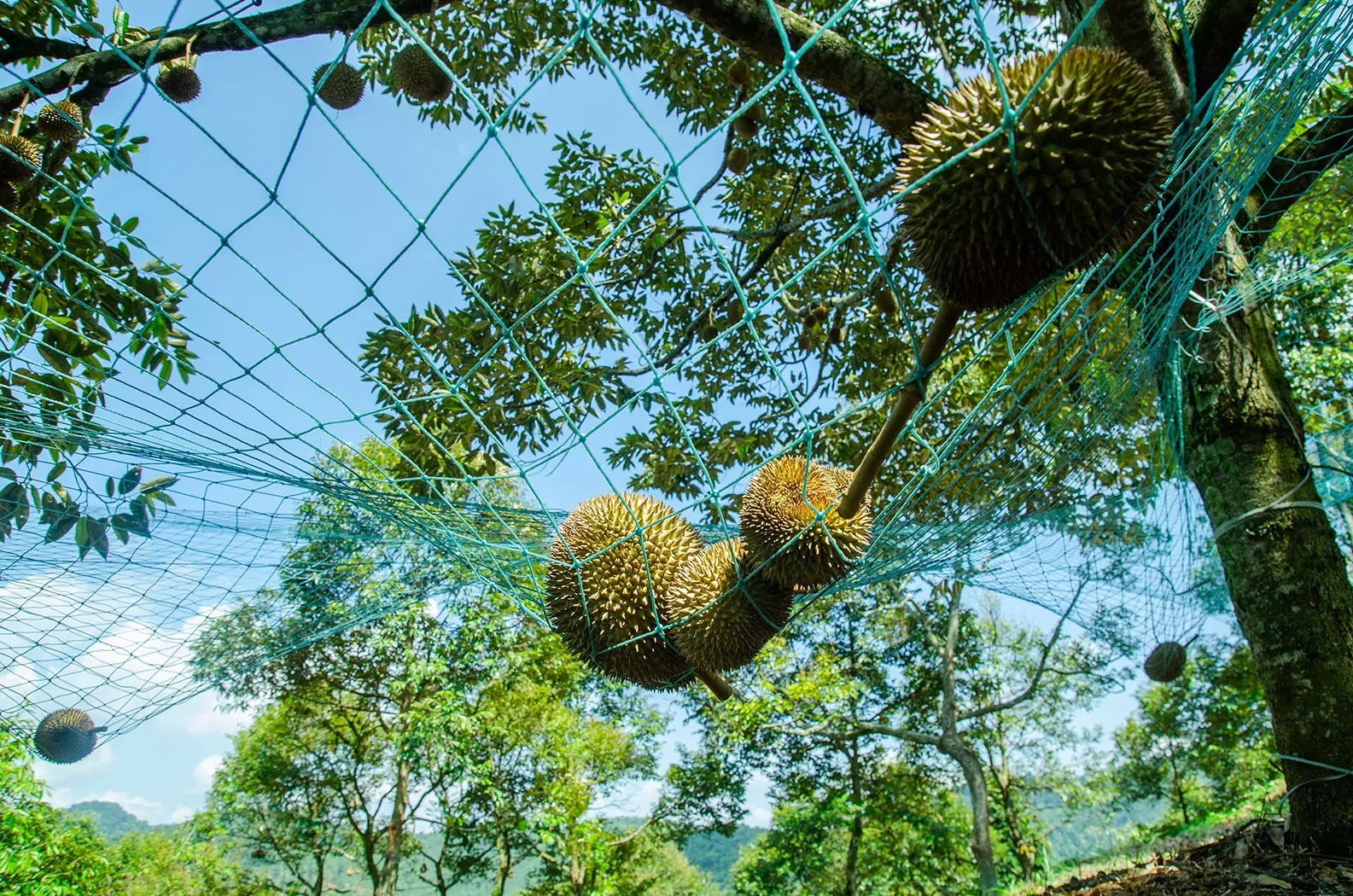
Temangan's story is written in what grows around it. The village took root during Kelantan's tin-mining days, and as the mining faded, the land turned to what it does best — rubber, palm oil, banana, and above all, durian. Rubber tappers still work the plantations here, and when durian season arrives, this small kampung becomes a destination in its own right: Temangan is known across the area for its durian, and its festival draws people from all over to buy fruit straight from the source. It's a village where the calendar is still set by harvests, not schedules.
What's striking about Temangan is how ordinary and how layered it is at once. In a settlement this small you'll find a mosque, a Chinese temple, a church, a little wet market and a village school — Malay, Chinese and Indian families living side by side, much as they have for generations. It's a quiet, everyday picture of the plural Malaysia that the guidebooks rarely slow down enough to notice.
Old-town calm you can feel
There's a particular quality to places like Temangan that's hard to manufacture. No rush. No traffic to speak of. Mornings unfold slowly — the market, the kopitiam, conversation that isn't in a hurry to end. Rural Kelantan has largely kept this pace while the rest of the country sped up, and stepping into it feels less like visiting a destination and more like borrowing someone's slower, gentler week.
This is the "old-town vibe" in its truest sense — not a restored heritage zone built for visitors, but a living village that simply never stopped being itself. You come here to walk without purpose, to watch village life go by, and to let your shoulders drop.
The warmth of Kelantan people
If one thing defines this part of Malaysia, it's the people. Kelantanese are widely known across the country for their warmth and easy friendliness, and it's felt most in small places like this — a smile at the market, a chat over breakfast, the unforced hospitality of a community where strangers are still a novelty worth greeting. You'll likely hear the distinctive Kelantanese dialect, so different it can puzzle even other Malaysians, spoken all around you. It's part of what makes the region feel like its own world.
Traditional food worth the journey
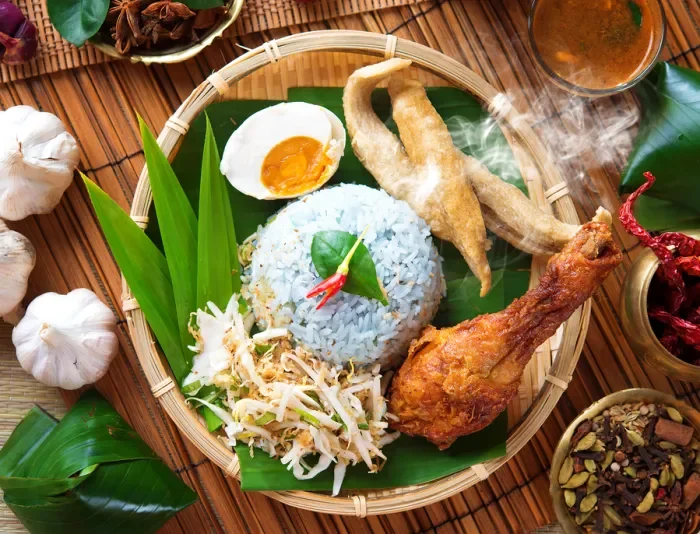
You don't come to rural Kelantan for fine dining. You come for food that tastes of place — and Kelantan's cuisine is among the most distinctive in Malaysia. The state's signature dish, nasi kerabu, is unmistakable: rice tinted a natural blue from butterfly-pea flowers, heaped with fresh herbs, salted egg, fish crackers and a tangle of raw vegetables. It's beautiful, healthy, and utterly Kelantanese.
Around the region you'll also find nasi dagang, budu (the fermented fish sauce that anchors so much local cooking), and an array of traditional kuih. In a village kopitiam, breakfast is simple and comforting — and eaten among locals rather than tourists, which is exactly the point. The food here isn't performing for anyone. It's just what people eat, made the way it's always been made.
When to go, and how
Temangan sits inland in the Machang district, roughly between the towns of Machang and Tanah Merah, and it's best reached with your own transport — this is deep-country Kelantan, and public transport is sparse. Many travellers base themselves in Kota Bharu, the state capital, and venture out into the surrounding kampungs and countryside from there.
If you can time it, durian season transforms the village — it's when Temangan is at its liveliest and its famous fruit is at its freshest. Outside of season, come simply for the quiet: a slow drive through plantation country, a village to wander, a plate of nasi kerabu, and the particular peace of a place that the modern world hasn't rushed.
The places that don't make the lists
Temangan won't appear on most "top things to do in Malaysia" roundups, and that's precisely its charm. The best travel experiences are often the ones you'd never have searched for — the small kampung, the village kopitiam, the unhurried afternoon in a place you only found because you were curious enough to look.
That's the whole idea behind Suna. It learns the kinds of places and experiences you love, then surfaces the ones worth your time wherever you are — and taps you on the shoulder when you're near something special, so you discover it without even knowing to search. From the quiet heart of Kelantan to your own city, some of the best places are the ones hiding just off the map. Suna helps you find them.
Suna — things to do near you.